



Prefabricated Cabin
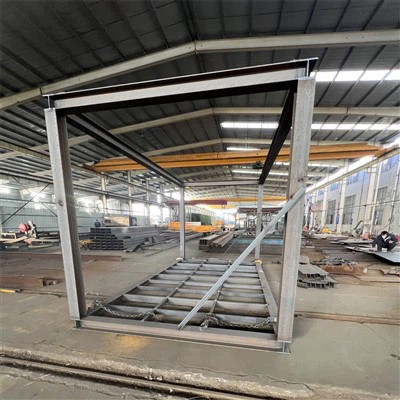
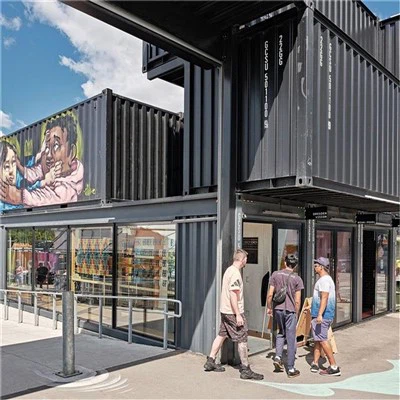
A prefab cabin is a small building that is built in a factory and delivered to your choice of location in one piece. This makes it very different from other kinds of buildings that are constructed on your job site or brought in many different pieces.




Benefits of Prefabricated Cabin
Affordability
Manufactured homes cost 10 to 20 percent less to build than traditional or kit homes. You will get a set cost at the beginning of the process because the controlled environment of the factory allows us to prevent cost overruns. Due to the volume of homes we build and our bulk purchasing arrangements with suppliers, we are able to offer significant discounts to our customers.
Controlled environment
Prefabricated homes are built in specially designed factories that allow complete control over every aspect of the construction process. Budgets and schedules for builds can be more easily set and maintained. You are guaranteed that your home will be built to the highest standards as the entire home is completed under direct factory supervision.
Energy efficient
Prefab homes are more environmentally friendly than traditional homes in many ways. The homes are airtight and minimize energy loss. Many manufacturers are doing their best to create energy-efficient homes. They include rainwater collection systems and solar panels.
Quick construction
One of the significant advantages of prefabricated homes is their speed of construction. Prepared components need to be assembled to assemble the manufactured home and connect it to utilities. In addition to the duration of the building, there are other factors to consider. The site preparation process, including obtaining permits, can take some time.
Why Choose Us
Quality assurance
We have 100% quality guarantee for our customers. We will be responsible for any quality issues.
Good service
We provide one-stop services such as project engineering solutions, R&D design, customized construction, installation and commissioning, and operation management.
Reasonable price
We provide higher quality products or services at the same price. As a result, we have a growing and loyal customer base.
Fast delivery
Strong production capacity, Complete packaging ensures product quality and is shipped to the destination in the first time.
Rich experience
Has a long-standing reputation in the industry, which makes it stand out from its competitors. With over many years of experience, they have developed the skills necessary to meet their clients' needs.
Efficient and convenient
The company has established marketing networks around the world to provide high-quality services to customers in an efficient and convenient manner.
How Are Prefab Homes Constructed
Modular construction
This construction method involves the fabrication of buildings in modules. The living room, bathroom, kitchen, etc., are built as independent units and later assembled at the actual job site. This construction is like building 'lego' blocks.
Manufactured home
The manufactured homes, sometimes also called mobile homes, are constructed offsite, and once the entire structure is completed, the final product is transported to the desired location. The offsite works also include plumbing works, electrical works, installing the air conditioners, wiring, etc.
Panel-built homes
Panel-built homes are made from whole panels or walls that are then transported to the construction site. These kinds of homes require more interior finishing work.

There is a common belief that prefabricated homes are less safe than traditional homes due to the use of alternative construction materials and methods. But in fact, it's not. These homes are completely safe for several reasons. Mobile homes are built in compliance with building codes and regulations. And throughout the construction process, experts conducted thorough inspections at every stage. Another reason mobile homes are safe is the construction process. Various units and subassemblies are constructed in a controlled environment to strengthen the structure for long-term use.
Do Prefab Homes Meet Building Requirements
Excluding shipping container homes, a prefab home is required to be built in accordance to state and local building codes. For that reason, there buyers have a lot of freedom to assemble their prefab cabin where they want — picture a log cabin in a dreamy remote location — which makes prefab homes even more awesome. Make sure to check in with your local municipality to find out if you need a permit to build your prefab cabin. This varies depending on the size, location, codes and regulations of each jurisdiction, so do that research before delivery day.
Guide to Buying a Prefab Cabin
Your prefab cabin is more than just a structure, it will become your home, or your home away from home; or if you are building a vacation cabin, it means that the best prefab cabin is your favorite cabin, no matter what Be it a modern prefab cabin, a prefab log cabin, a shipping container home or a DIY cabin kit made from CLT panels.
The perfect cabin should fit your budget, but be wary of cheap prefab cabins. When looking for prefabricated cabins for sale, make sure they are made from quality materials, are easy to understand, and come with everything you need to build them correctly.
There are a few ways to stretch your budget even further, such as doing most of the work yourself (if you're particularly skilled and experienced in construction) or choosing slightly less expensive cabin plans or fixtures and fittings for your log home. Regardless, be forewarned that prices and delivery times for materials such as lumber, glass, and tools have increased significantly since the onset of the global pandemic.
Maintenance Tips for Prefabricated Houses
Inspect the Foundation
A solid foundation is crucial for any home, and prefab houses are no exception. Regularly inspect the foundation for any signs of settling, cracks, or moisture infiltration. Settling can cause structural issues, while cracks can lead to water damage. Address any issues promptly to prevent more significant problems down the road.
Maintain the Exterior
The exterior of a prefab house is often made of materials such as steel, vinyl, or wood. Keep the exterior clean by power washing it regularly to remove dirt and grime. Check for any damage or signs of wear, like peeling paint or warped siding, and address them promptly. Repainting or refinishing the exterior as needed can enhance the aesthetic appeal of your home and protect it from the elements.
Roof Inspection and Maintenance
The roof is one of the most critical components of any home. Regularly inspect your prefab house's roof for damaged or missing shingles, flashing issues, and leaks. Make necessary repairs promptly to avoid water damage and prolong the life of the roof. keep your gutters clean to prevent water from overflowing and potentially causing damage to the house's foundation.
Plumbing and Electrical Systems
Regularly inspect the plumbing and electrical systems of your prefab house. Look for leaks, clogs, or any electrical issues. Leaking pipes can lead to water damage and mold growth, while electrical problems can pose safety risks.
HVAC Maintenance
Maintaining your heating, ventilation, and air conditioning (HVAC) system is crucial to ensure the comfort of your prefab house. NChange air filters regularly, clean ducts, and schedule annual inspections and maintenance by a qualified technician. Proper HVAC maintenance can improve energy efficiency and indoor air quality.
Insulation and Energy Efficiency
Prefab houses are known for their energy efficiency, but it's important to ensure that the insulation remains in good condition. Check for any gaps or signs of damage in the insulation, as it plays a significant role in maintaining a comfortable indoor temperature. Consider adding additional insulation if necessary to further enhance energy efficiency.
Window and Door Maintenance
The doors and windows in your prefab house should be regularly inspected for leaks, drafts, or damage. Proper weatherstripping and sealing can prevent drafts and enhance energy efficiency. Replace or repair any damaged doors or windows to maintain security and insulation.
Pest Control
Like any other type of housing, prefab homes can be susceptible to pests such as termites, rodents, or insects. Regularly inspect your home for signs of infestations and take appropriate measures to control pests. Preventative actions like sealing cracks and keeping the property clean can help reduce the risk of infestations.
Landscaping and Drainage
The landscaping around your prefab house can impact its maintenance. Ensure that the grading and drainage are designed to direct water away from the foundation. Proper landscaping can prevent moisture issues and maintain the structural integrity of your home.
Regular Cleaning
Regular cleaning is essential for maintaining the interior and exterior of your prefab house. Clean the floors, walls, and other surfaces to prevent the accumulation of dirt and grime. A clean home not only looks more appealing but also contributes to a healthier living environment.
Seasonal Maintenance
Different seasons come with their own maintenance requirements. In the winter, ensure that your heating system is in good working order and take steps to prevent frozen pipes. In the summer, focus on keeping your home cool and well-ventilated. Each season may require unique tasks to keep your prefab house in top condition.
Gathering information from the customer
During this phase the needs of the customer are identified. The client is consulted on how to achieve the best result using the best combination of materials and the construction. Our long international experience allows us to give a valuable input as well as to use country-specific technology that is approved by local authorities (e.g. SINTEF in Norway, RAL in Germany). We offer also other woodworking services for our customers if they need fences, carports, ells etc.
Finalizing the drawings, preparing production drawings
When all the details are known and suitable for our customer, we start making production drawings that are required to calculate the required strength and support for the supporting walls as well as other constructions. This phase normally takes 3-4 weeks. These drawings show how each element will be constructed and connected and what materials will be used. 3D modelling software is used for developing each house's structural drawings.
Production process
Just as the production drawings are finished, the production of the house starts. The elements of the house are produced using calculations from computer that are calculated with 1 mm precision – resulting in a high quality and very accurate structure. The production process time depends on the size of the project. Normally the standard 150sqm house takes 3-4 weeks to be produced. The elements of the finished house are transported to our warehouse where later they are transported to the building site using standard trucks. Every week we update our clients with photos from production to see how the house is being built and what materials are used in the construction.
Assembling
The houses are usually mounted straight from the trucks or containers by means of a crane that is most often needed for the first 5 days or a week, if the house is bigger. Average size building fits into two – three trucks. For the assembly of a house, modern sealing materials, galvanized fasteners and anchors (for anchoring to the foundation) are used. Our houses can be mounted and assembled by other subcontractors – construction companies or even homeowners themselves.
Finalizing the project
The project is considered as finalized only after strict inspection from both the customer and our quality specialist. The guarantee is provided to all our products without any special conditions.
Different Materials Used in Prefabricated Houses
Wood
For prefab homes, wood is a common material since it is portable and adaptable. It also has solid insulating qualities and is a renewable resource.Traditional timber framing techniques or engineered wood materials, such as laminated veneer lumber or cross-laminated timber, may be used to build prefabricated wooden homes.
Steel
Steel is another popular material for prefab and modular houses due to its strength, durability, and fire resistance. Steel frames and panels can be transported to the building site for assembly.
Concrete
Prefab homes are often built from robust, fire-resistant material concrete. It may be shaped into a concrete block or panel, which can then be transported to the construction site and assembled there.
Prefabricated Panels
Prefabricated panels often comprise structural insulated panels like mineral wool, polyurethane, or expanded polystyrene. These panels are produced off-site in a factory or manufacturing facility and may be utilized for walls, roofs, and floors.
Composites
Composite materials, like fiberglass or carbon fiber-reinforced polymers, comprise two or more distinct components. Composites are perfect for use in prefab homes and modular home buildings since they are sturdy, light, and fire and corrosion-resistant.
Our Factory
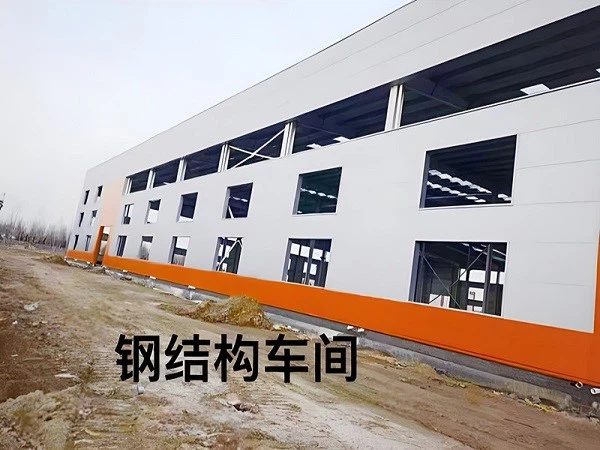
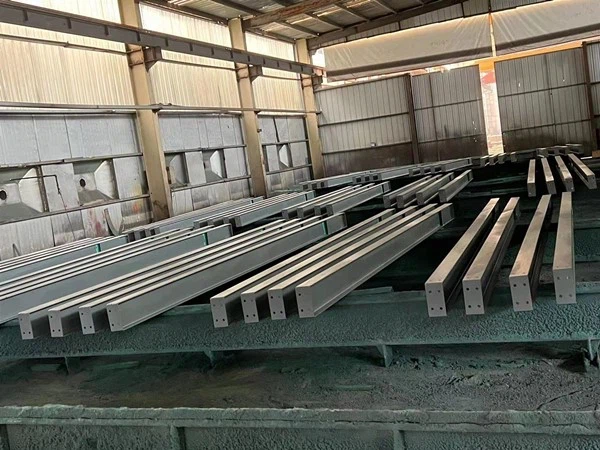
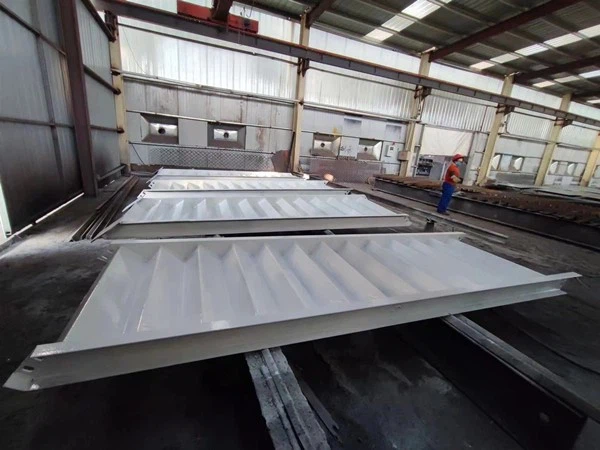
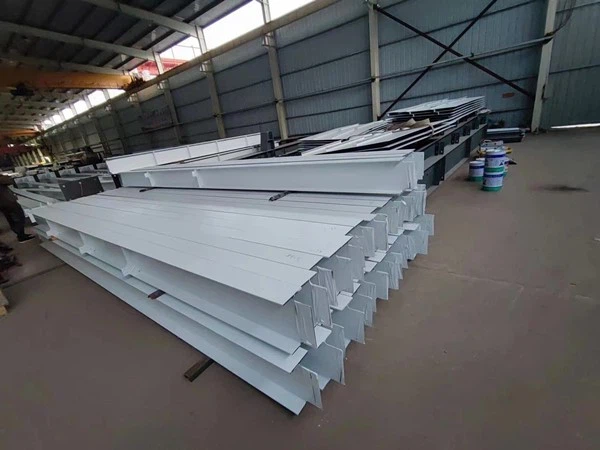
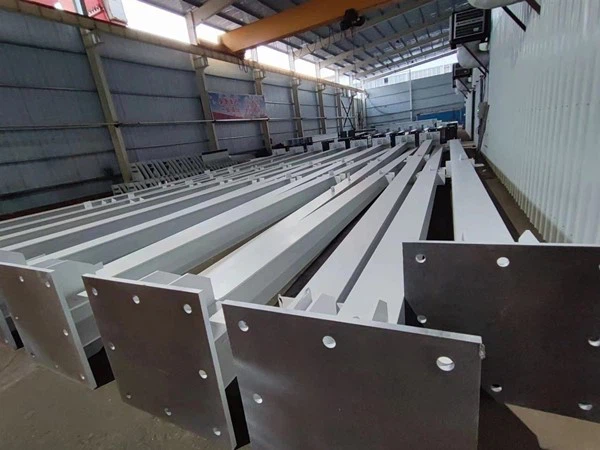
Shandong Dongsheng Heavy Industry Technology Co. , Ltd was established in August 2012, covering an area of over 50 acres and having a production workshop of 21000 square meters. It is a steel structure manufacturer specializing in the design, production, and installation of steel structures. The company has always adhered to the principle of honesty and customer first, laying a good foundation for the company's future development.





Certifications
