





Light Pole
Lighting poles are essential elements in urban landscapes, providing illumination and safety to pedestrians and drivers alike. Proper placement and maintenance of these structures are crucial to ensure optimal visibility and security in public spaces. It is important to consider the height and design of the lighting pole to effectively light up the surrounding area. Additionally, choosing energy-efficient lighting options can help reduce electricity consumption and contribute to environmental sustainability. By investing in high-quality lighting poles and fixtures, cities can create a well-lit and safe environment for residents and visitors.



Benefits of Light Pole
landscaping
Maintaining curb appeal is just as important as the interior or exterior of your property. In addition to light distribution, outdoor light poles can decorate landscape architecture and enhance curb appeal. They are a great choice for business areas, suburbs and even tourist locations. With so many options on the market, you can easily find the right lamp post design and size for your property. Additionally, resin light pole bases can be molded to match the aesthetics of any location and are highly corrosion-resistant.
Improve security
While you may feel safe during the day, it's hard not to feel scared while walking down a dimly lit road or strolling around your house. By installing light poles, not only will you minimize the risk of crime, but you will also feel safe when out at night. Many studies have found that towns that increased the number of light poles in their areas saw significant decreases in crime.
Provide lighting
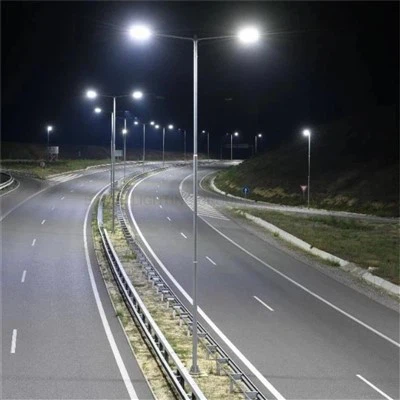
The core responsibility of a lamppost is to illuminate the area, whether it is a street, park, outdoor garden or bridge. They light up the landscape and allow passers-by to find their way in the dark. Although the application of lamp posts varies from place to place, their main purpose is the same. Lamp posts in the garden don't require much lighting, but those on building sites and along roads are bright and consistent.
Reduce traffic accidents
No matter how bright your headlights are, driving on dimly lit roads is always a challenge. In this case, your vision is limited, making it difficult to spot obstacles and potholes. Lamp posts are one of the best solutions for reducing traffic accidents. They can broaden the driver's field of vision with consistent lighting - especially in blind spots.
Additional items
Cafes, shops and roadside restaurants can do much more with lampposts than just lighting. For example, you can hang baskets, planters, or even install holiday lights to spruce up the place. However, you may first want to ensure that anything placed on the lamppost does not pose a risk to public safety.
Advertise
Lamppost advertising is an established trend that many businesses, including roadside shops and restaurants, rely on to market their brands. The main reason they are so popular in commercial areas is their size, which makes hanging banners or advertisements easy. Since they are often placed along roads, they are more likely to attract the attention of drivers and pedestrians.
Why Choose Us
Quality assurance
We have 100% quality guarantee for our customers. We will be responsible for any quality issues.
Good service
We provide one-stop services such as project engineering solutions, R&D design, customized construction, installation and commissioning, and operation management.
Reasonable price
We provide higher quality products or services at the same price. As a result, we have a growing and loyal customer base.
Fast delivery
Strong production capacity, Complete packaging ensures product quality and is shipped to the destination in the first time.
Rich experience
Has a long-standing reputation in the industry, which makes it stand out from its competitors. With over many years of experience, they have developed the skills necessary to meet their clients' needs.
Efficient and convenient
The company has established marketing networks around the world to provide high-quality services to customers in an efficient and convenient manner.
Type of Light Pole
Cement light pole
The main components of cement light poles are cement and sand and gravel concrete. It was previously widely used in urban power towers and urban street lights. Due to its heavy weight, it is difficult to install and is prone to weathering and accidental damage, posing safety risks. Has been gradually withdrawn from the market.
Steel light pole
The steel light pole is rolled from high-quality material Q235 steel. The surface treatment is different and divided into black pipe, galvanized pipe and hot-dip galvanized pipe. The surface of the black tube is sprayed with zinc or plastic, and it will not rust after 1-2 years of use under normal conditions. The surface of the galvanized pipe is sprayed with plastic and will not rust after 2-3 years of use in normal environments. The surface of the hot-dip galvanized pipe is sprayed with plastic and will not rust after being used for more than 10 years under normal conditions. In lighting projects, the most commonly used street light poles, high poles, and power towers are hot-dip galvanized pipes.
Fiberglass light pole
Fiberglass light pole is an inorganic non-metallic material with excellent performance. Its advantages are good insulation, strong heat resistance and strong ductility. However, its disadvantages are brittleness and poor wear resistance. Therefore, they are generally used in theme parks and special-shaped landscape lighting products, and are rarely used in street light poles.
Aluminum alloy light pole
Aluminum rods are divided into cast aluminum tubes and extruded aluminum tubes. Cast aluminum tubes are made by die casting or sand casting. Special shape widely used in European classical garden light poles. The extruded aluminum tube is made of high-strength aluminum alloy material, which is high-strength and safe. The surface is anodized and colored powder-coated. It is corrosion-resistant for more than 30 years and looks more upscale. Widely used in modern garden light poles and flagpoles.
Stainless steel light pole
Stainless steel light poles have the best chemical and electrochemical corrosion resistance among steels, second only to titanium alloys. The nickel content is different and divided into commonly used 201, 304 and 316 grades. Different grades of materials have large cost differences. We can select appropriate grades of materials based on different usage locations and requirements. Currently, grade 304 stainless steel pipes and plates are the most widely used materials in urban landscape lighting and urban sign lighting.
6 Things You Should Know About Street Light Poles
Height of pole
Street light poles need to be the correct height to provide the appropriate lighting density. In most cases, light pole heights range from 9 to 14 feet. Ideally, street light poles should provide ample light without excessive glare.
Lighting consistency and installation intervals
While streetlights help fight crime, their purpose is to light the way for pedestrians, cyclists and motorists. If one area is well lit and an adjacent area is dark, accidents can occur as the eyes take some time to adjust. Street lights need to be placed at consistent intervals.
Installation environment
You need to pay attention to the installation area of the street light pole. In coastal areas, utility poles are susceptible to corrosion from salt water. You may need a rod with a special finish.
Light distribution
Although streets may be well-lit, factors such as trees or tall buildings may create dark spots. This goes beyond the goal of installing streetlights. It is crucial to remember these characteristics when designing how to place your street lights.
Beautiful street light poles
Most urban spaces today are defined by the quality of their decorative recessed lighting and traffic poles. Recently, we have seen the emergence of decorative light poles that are used to highlight aesthetic installations such as statues, gardens, and fountains. This street lighting concept has an exciting appeal and can aesthetically transform otherwise dull urban spaces.
Street light maintenance
Standard LED street lights run for about 10 to 12 hours a day, and the bulbs last about 50,000 hours. Replacing bulbs as needed is crucial to improving lighting efficiency. The poles used must be strong enough to support the fixture.
What Material Are Light Poles Made Of
Steel
Steel is one of the most commonly used materials for light poles. Steel light poles are strong, durable, and resistant to harsh weather conditions. They are commonly used in applications where higher wind and load requirements exist.
Aluminum
Aluminum light poles are lightweight, easy to handle, and resistant to corrosion and weathering. They are a popular choice for street lighting located near the coastlines and other environments where corrosion might occur.
Concrete
Concrete light poles are heavy and sturdy, making them ideal for places with high traffic volume and extreme weather conditions. The concrete's weight provides stability and prevents the poles from swaying or bending.
Fiberglass
Fiberglass light poles are lightweight, durable, and resistant to corrosion, making them ideal for harsh environments that may be prone to corrosion, such as coastal areas, factories and wastewater treatment facilities etc.
Composite materials
Composite materials like FRP are strong, lightweight, and capable of withstanding high winds and harsh weather conditions. Composite light poles are an eco-friendly, low-maintenance option that can be custom designed to suit specific requirements.
Other Factors to Keep in Mind when Buying a Light Pole
Besides the different materials available for light poles, there are also different shapes and installation types. For example, light poles can be either square or round. Square poles allow for more fixture mounting options, because of the flat surface, but many lighting fixtures now have different tenon adapters and accessories that make mounting lights easy on either square or round poles. Additionally, there are options for burial mounts, which require deep holes to be dug for installation, and anchor mounts, which are mounted directly to a concrete base. Choosing which mounting option is right for you depends mostly on your location. Some areas do not allow for deep holes to be dug, so an anchor mount is the only one that makes sense.
An engineer will also need to be consulted to determine the proper burial depth based on the type of pole (burial or anchored) along with other factors such as soil type, soil frost depth in colder climates among things. If you do not have a engineer working on your project, the next best option would be to contact your city or county engineer for guidance on pole depth. A light pole spec sheet will have some information on install, but depth and concrete base design can only be accurately determined by an engineer that knows the specifics for that location.
When selecting which type of pole to choose for your project, you will want to take into consideration a number of other factors as well. For example, you should consider what the experts call corrosion performance. Light poles move slightly with wind, and that movement can cause the protective paint on the outer layer of the light poles to fail sooner than expected. Metal coatings can be applied to improve the corrosion resistance on steel or aluminum poles, but that can also affect the fatigue life of the pole as well. Again, we highly recommend you consult with a lighting expert in order to determine which material and mounting option is best for you.
What Does Light Pole Maintenance Include
Inspecting the light pole base
High winds can cause welds between the base plate and pole to fail. The welds should be checked for cracks, flaking, and other damage.
Check for corrosion damage
Check the entire pole for rust and corrosion, which deteriorates metal and makes it prone to cracks or breaks. Corrosion should be corrected by removing the affected sections, welding in new panels, or replacing the pole.
Inspecting fasteners
Bolts, nuts, and screws work loose over time. Every fastener should be checked for tightness, and nut covers should be replaced to prevent tampering.
Inspecting arms and fixtures
Arms, light fixtures, brackets and other attachments should be checked for missing fasteners, looseness, and metal fatigue.
Checking covers
Hand holes and base covers should be evaluated and replaced if missing or damaged.
Electrical system
The light pole should be tested for stray currents, defective grounds, shorts, or other electrical problems to avoid shock hazards.
Replacing bulbs
Bulbs and ballasts should be checked for correct operation.
Testing control systems
Photosensors, timers, and other controls should be tested for proper operation.
People tend to associate a poorly lit lot with higher crime rates or chances of accidents. Poorly lit parking lots are prone to more criminal activity, and once such incidents are reported, it can deter people from using the area. For businesses that thrive owing to the daily foot traffic, this can be detrimental to their profitability. Bright lighting is associated with fewer crimes in and around the parking lot. Installing substantial lighting in a parking lot enhances security and improves the entire area’s appearance. This means more visual clarity for drivers and pedestrians, reducing the risk or liability associated with accidents on the premises—critical for business owners!
What Height Light Pole Should I Get
The correct light pole height depends on the type of light you choose for your specific area. Each area may have its own set of requirements, such as restrictions on where light poles can be placed and how much area each light needs to cover based on pole location. The ability to mount multiple lights on one pole helps extend coverage, while the height at which those lights are mounted also affects coverage. Make sure you have a good plan and it doesn't hurt to seek help from an expert if you need it.
For typical parking lot lighting, Class 3 lighting patterns are common in fixtures. There is an easy way to plan lighting and height when using Type 3 lighting mode. Get the height of the light and use that distance from the light forward and to the coverage area on each side. For example, if you have a 20-foot pole with a 150-watt LED parking lot light with a Type 3 light pattern, the coverage area on the ground will be approximately 20 feet on each side and 20 feet forward, covering area It is 40 feet by 20 feet. These numbers are not exact, but can give you a good way to estimate the light height and coverage area of a standard Class 3 light pattern. Keep in mind that if you have more than 1 pole you do need some overlap or crossover in lighting to reduce shadows. In the example above, spacing the poles 35 feet apart will help reduce shading. This is even more important in certain applications, such as light sports lighting, where shadows can really impair the ability to perform movement.
Another thing to remember about the height and position of the pole is to make sure it doesn't blind the person under the light. You don’t want to put 15-foot-tall sports field lights behind a 10-foot-tall basketball hoop so that it’s difficult for shooters to see the basket because they’re actually looking at the lights when they shoot. If this is the only location where you can mount the pole, you may want to move the light higher so it doesn't interfere with your game. The same goes for parking lots or street lighting. You don’t want to damage their vision and cause an accident by placing your lights low and directly in the driver’s line of sight. As always, we highly recommend working with a lighting expert to determine which pole height is best for your project.
Our Factory
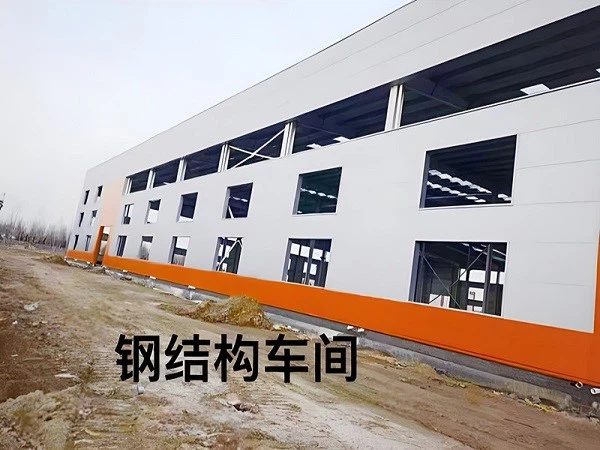
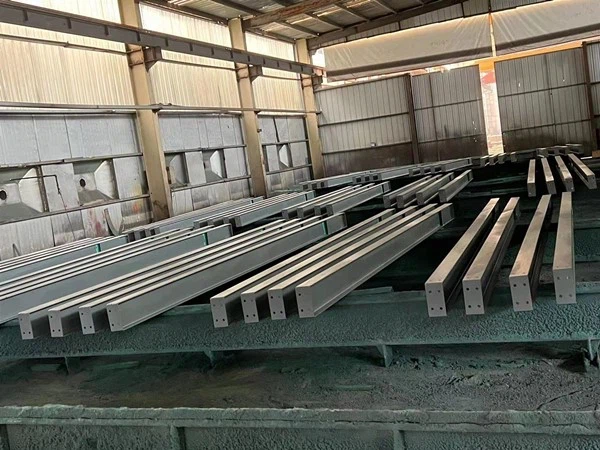
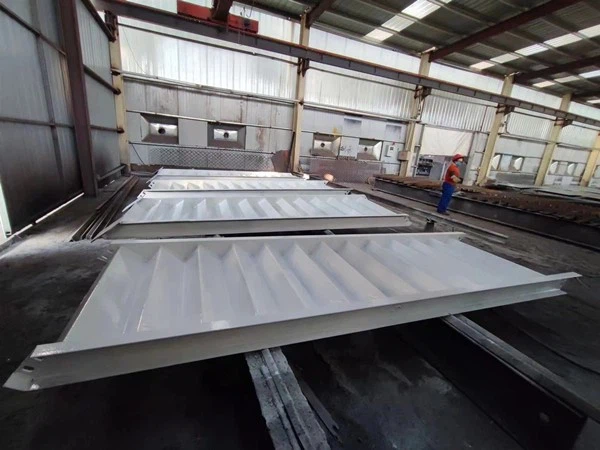
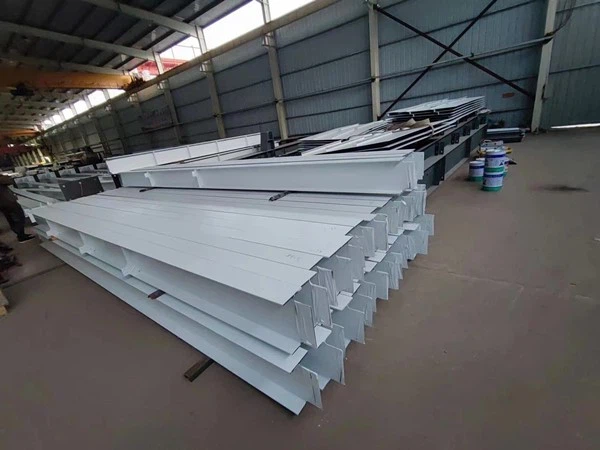
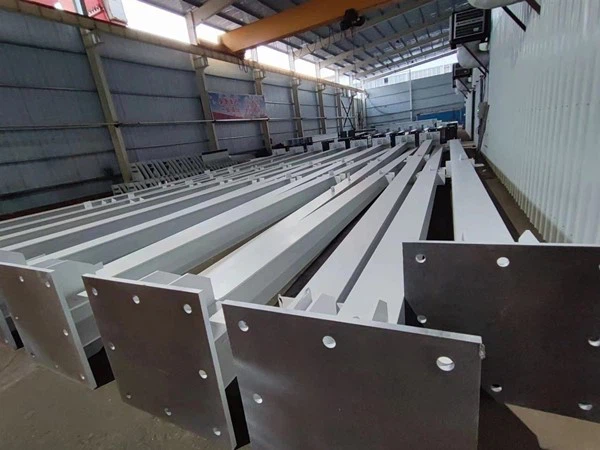
Shandong Dongsheng Heavy Industry Technology Co. , Ltd was established in August 2012, covering an area of over 50 acres and having a production workshop of 21000 square meters. It is a steel structure manufacturer specializing in the design, production, and installation of steel structures. The company has always adhered to the principle of honesty and customer first, laying a good foundation for the company's future development.





Certifications
