





Greenhouse
Greenhouses are used extensively by botanists, commercial plant growers, and dedicated gardeners. In cool climates, greenhouses are useful for growing and propagating plants because they both allow sunlight to enter and prevent heat from escaping. In warm climates, greenhouses allow for year-round growth despite seasonal changes in climate.


Benefits of Greenhouse
Extended Growing Season
One of the primary advantages of a greenhouse is the extension of the growing season. By providing a sheltered and controlled environment, greenhouses enable farmers and gardeners to start planting earlier in the spring and continue growing well into the fall. This extended timeframe allows for multiple harvests in a single year, boosting overall productivity.
Temperature Control
Greenhouses provide a regulated climate, protecting plants from extreme temperatures. The structure acts as a buffer, preventing sudden temperature fluctuations that can be detrimental to plant growth. This controlled environment is particularly beneficial for delicate or temperature-sensitive crops, allowing them to thrive in conditions optimized for their development.
Protection from Adverse Weather Conditions
Unpredictable weather conditions, such as heavy rain, hail, or strong winds, can wreak havoc on crops. Greenhouses act as a shield against these adversities, providing a protective barrier that safeguards plants from the damaging effects of severe weather. This protection results in healthier plants and reduces the risk of crop loss.
Pest and Disease Management
Greenhouses offer a level of isolation that helps in managing pests and diseases more effectively. The enclosed environment makes it easier to monitor and control the presence of harmful insects and pathogens. This reduces the reliance on pesticides and other chemical interventions, promoting a more sustainable and eco-friendly approach to agriculture.
Optimal Water Usage
Water is a precious resource, and greenhouses contribute to its efficient utilization. The controlled environment within a greenhouse minimizes water wastage by preventing evaporation and runoff. Additionally, modern greenhouse systems often include water-efficient irrigation methods, ensuring that plants receive the necessary moisture without unnecessary water consumption.
Increased Crop Yield
The combination of controlled conditions, extended growing seasons, and protection from external threats results in significantly increased crop yields. Greenhouses create an environment where plants can reach their full potential, producing more fruits, vegetables, or flowers per square foot compared to traditional open-field cultivation.
Sustainable Agriculture
In the era of increasing environmental awareness, greenhouses play a crucial role in promoting sustainable agriculture. The controlled environment reduces the need for excessive chemical inputs, conserves water, and minimizes the environmental impact of agriculture. Additionally, the ability to grow crops closer to urban centers reduces the carbon footprint associated with transportation.
Economic Benefits
From a financial perspective, greenhouses offer several economic advantages. The increased crop yield and the ability to grow high-value crops contribute to higher profits for farmers. Additionally, the extended growing season allows for a more consistent and reliable income throughout the year, reducing the financial risks associated with seasonal variations.
Why Choose Us
Quality assurance
We have 100% quality guarantee for our customers. We will be responsible for any quality issues.
Good service
We provide one-stop services such as project engineering solutions, R&D design, customized construction, installation and commissioning, and operation management.
Reasonable price
We provide higher quality products or services at the same price. As a result, we have a growing and loyal customer base.
Fast delivery
Strong production capacity, Complete packaging ensures product quality and is shipped to the destination in the first time.
Rich experience
Has a long-standing reputation in the industry, which makes it stand out from its competitors. With over many years of experience, they have developed the skills necessary to meet their clients' needs.
Efficient and convenient
The company has established marketing networks around the world to provide high-quality services to customers in an efficient and convenient manner.
What Are the Most Important Environmental Design Principles for a Sustainable Greenhouse
Location and orientation
The location and orientation of your greenhouse are crucial for capturing the optimal amount of sunlight, wind, and rain. You want to choose a site that has a good exposure to the sun, but also avoids excessive shading from nearby buildings, trees, or hills. You also want to orient your greenhouse in a way that reduces heat loss in winter and overheating in summer. For example, in the northern hemisphere, a north-south orientation is preferred, while in the southern hemisphere, an east-west orientation is better.
Insulation and ventilation
The insulation and ventilation of your greenhouse are essential for maintaining a suitable temperature and humidity level for your plants. You want to use materials that have a high thermal resistance, such as polycarbonate, glass, or double-layer plastic, to prevent heat loss or gain. You also want to install vents, fans, or windows that allow air circulation and regulate the moisture and carbon dioxide levels. You can also use natural ventilation methods, such as roof openings, side vents, or chimneys, to enhance air flow and cooling.
Heating and cooling
The water and irrigation of your greenhouse are vital for ensuring the health and growth of your plants and conserving water resources. You want to use rainwater harvesting, water recycling, or drip irrigation systems that collect, store, and distribute water efficiently and effectively. You also want to use water-saving techniques, such as mulching, cover cropping, or hydroponics, that reduce water evaporation and runoff. You can also use soil moisture sensors and timers that deliver the right amount of water at the right time to your plants.
Water and irrigation
The water and irrigation of your greenhouse are vital for ensuring the health and growth of your plants and conserving water resources. You want to use rainwater harvesting, water recycling, or drip irrigation systems that collect, store, and distribute water efficiently and effectively. You also want to use water-saving techniques, such as mulching, cover cropping, or hydroponics, that reduce water evaporation and runoff. You can also use soil moisture sensors and timers that deliver the right amount of water at the right time to your plants.
Lighting and shading
The lighting and shading of your greenhouse are important for optimizing the photosynthesis and transpiration of your plants and avoiding stress or injury from too much or too little light. You want to use artificial lighting, such as LED, fluorescent, or high-pressure sodium lamps, that supplement the natural light and extend the photoperiod of your plants. You also want to use shading devices, such as curtains, screens, or nets, that filter or reflect the excess light and lower the temperature of your greenhouse.
Pest and disease management
The pest and disease management of your greenhouse are important for protecting your plants from harmful insects, fungi, bacteria, or viruses and ensuring the quality and safety of your crops. You want to use integrated pest management (IPM) strategies, such as biological control, cultural practices, or organic pesticides, that prevent or reduce the occurrence and spread of pests and diseases. You also want to use sanitation and hygiene measures, such as cleaning, disinfecting, or quarantining, that eliminate or minimize the sources and vectors of infection.
Types of Greenhouses
Traditional Glass Greenhouse
The traditional glass greenhouse is a classic design with transparent glass panels. It offers excellent light transmission, creating an ideal environment for plants to thrive. Glass greenhouses are often used for commercial production, providing ample space for growing a wide range of crops.
Polycarbonate Greenhouse
Polycarbonate greenhouses use polycarbonate panels instead of glass. These panels are lightweight, durable, and offer good insulation properties. Polycarbonate greenhouses are popular among small-scale growers and backyard gardeners due to their affordability, ease of installation, and ability to regulate temperature effectively.
High Tunnel Greenhouse
High tunnel greenhouses, also known as hoop houses, are low-cost structures with curved or semicircular frames covered in polyethylene or polyvinyl plastic film. They protect from harsh weather conditions while allowing for good air circulation. High tunnels are versatile and suitable for extending growing seasons, protecting crops, and nurturing young plants.
Lean-to Greenhouse
A lean-to greenhouse is attached to an existing structure, such as a house or a wall. This type of greenhouse maximizes space utilization and takes advantage of the thermal benefits provided by the attached building. Lean-to greenhouses are suitable for urban settings or areas with limited space.
Aquaponic Greenhouse
Aquaponic greenhouses combine hydroponics (growing plants in water) with aquaculture (raising fish). The nutrient-rich water from the fish tanks is circulated to provide nutrients to the plants, while the plants filter the water, creating a symbiotic relationship. Aquaponic greenhouses offer a sustainable approach to food production by utilizing both fish and plant cultivation.
Shade House Greenhouse
Shade house greenhouses have shade cloth or netting covering the structure, reducing the amount of sunlight reaching the plants. They are commonly used in regions with intense sunlight or for growing shade-loving plants. Shade houses allow for better temperature control and protection against excessive heat and UV radiation.
Multi-Span Greenhouse
Multi-span greenhouses are large-scale structures composed of multiple interconnected bays or sections. These greenhouses offer significant cultivation space for commercial growers and allow for efficient use of resources and equipment. Multi-span greenhouses are suitable for large-scale crop production and can be customized to incorporate advanced climate control systems.
5 Materials and Equipment to Prepare Before Building Your Greenhouse
Foundation Material
The foundation is an integral part of the greenhouse. Ensure that the ground is level so your greenhouse will be stable during storms and anchor it down so the structure won' t fall over. After measuring the space, you should prepare the soil underneath the greenhouse. After this, you should add material on top of the soil to fill the gap. Ideally, you should use three to four inches of material, such as sand, cement, or a concrete mix.Once the ground is level, you can cover the ground with slabs. In some cases, a concrete slab will be enough for your greenhouse foundation.
Framing Materials
Once you' ve chosen your foundation material, you need a frame to hold the greenhouse together. You can use wood or metal for framing. For the best results, wood should be treated with pressure-treated lumber. For durability, you may also want to consider galvanized steel or aluminum. For a more affordable framing material, you can use inexpensive PVC piping. Regardless of the type of material you choose, you should ensure that it is strong enough to withstand the greenhouse' s temperature and the weather.
Glazing Materials
Glazing materials cover the greenhouse frame and there are several types of it. For example, acrylic is one of the most common and widely used for greenhouse glazing. It is flame retardant, high impact-resistant, UV-stabilized, and has excellent clarity and transmittance properties. Its textured surface is easy to clean and reduces condensation drips. Some also use glass or polycarbonate materials. It would be best if you considered different factors when choosing the most appropriate glazing material for your greenhouse. It will depend on your location and the plants you want to grow.This is because plants usually grow receiving 75 percent of available light. If you live in a hot summer area, you need a glazing material that regulates the light entering the greenhouse. Most greenhouse builders would choose polycarbonate glazing material for hot weather. This is because the insulation ability of this material is high, and it helps maintain the temperature inside the greenhouse. It also doesn' t experience problems with shattering condensation, unlike glass materials.
Flooring Materials
The right greenhouse flooring can make the difference between a successful and a failed greenhouse. This is because choosing the best flooring material will offer sufficient drainage, insulation, durability, and easy maintenance. It also serves as a weed barrier to keep these harmful plants out of your greenhouse. Choosing the best flooring also plays a significant role in managing the overall atmosphere of the greenhouse, whether you' re designing it on your own or following some DIY greenhouse plans. A concrete slab is a good option for greenhouse flooring. It' s easy to clean and will keep your plants warm. You can also use gravel or a plastic mix to create a low-cost greenhouse floor. This type of flooring also keeps out rodents and improves drainage. You can also use a porous plastic cover to prevent weed growth and let the moisture soak through. Bricks and lumber can help contain gravel if you work with a small greenhouse. You can also install commercial vinyl flooring in a greenhouse. It is usually polypropylene and polyvinyl, the two most popular materials for constructing floors.
Ventilation Equipment
Proper ventilation is crucial for the health and growth of plants. It also helps regulate and manage the condition inside the greenhouse even when the weather outside isn' t favorable. That' s why it' s also important to have ventilation equipment for your greenhouse. There are two basic types of greenhouse ventilation: natural and mechanical. Natural ventilation relies on the natural forces of wind and thermal buoyancy to circulate air and heat in a greenhouse. In contrast, mechanical ventilation uses fans and mechanical devices to control airflow. A mechanical ventilation system is more convenient since they are automated. It can help maintain the ideal temperature for your plants regardless of the weather outside.
Innovative Uses for Greenhouse Technology
Growing Different Crops Year-Round
One of the significant benefits of greenhouse farming in Kenya is the ability to grow various crops throughout the year. Unlike traditional farming, which relies heavily on seasonal weather, greenhouses allow farmers to control temperature, humidity, and other factors, ensuring that crops can thrive regardless of the season. This extends the growing season and opens doors for experimenting with non-native crops, providing more variety to the local market.
Boosting Productivity
A greenhouse can help farmers grow more food. How? It offers control over things like temperature and moisture, and it keeps crops safe from bad weather and diseases. This control means that farmers can grow more crops in the same amount of space and can expect them to grow better and healthier. This helps in making sure there is enough food for everyone locally and allows farmers to earn a more consistent income.
Efficient Use of Water
Water is precious, especially in dry areas. Greenhouses are designed to use water wisely. By using drip irrigation, which slowly drops water near the plants' roots, and recycling systems that reuse water, greenhouses make sure that not a drop is wasted. This smart use of water helps in growing crops even in places where water is not easily available. It' s a big step towards farming that takes care of the environment.
Urban Farming and Education
Greenhouses are not just for big farms in the countryside. Their adaptable design and the range of greenhouse prices in Kenya have made it possible to have small greenhouses in cities too. Schools and community centres are using these to teach kids and adults about how food grows and why it' s essential to eat healthily. These city greenhouses don' t just provide fresh food; they help people learn about farming and encourage them to think about becoming farmers or gardeners themselves.
Eco-Friendly Practices
Greenhouses are helping to make farming kinder to the Earth. By using the sun' s energy and cutting down on the need for chemicals that can harm the soil and water, greenhouses are part of a movement towards farming that works with nature, not against it. This approach shows that it' s possible to grow the food we need without hurting our planet.
Research and Development
Greenhouses are like science labs for plants. Inside a greenhouse, scientists and farming experts can control everything about how plants grow. They can try out new types of plants, find the best ways to grow them, and learn more about how plants work. What they learn in the greenhouse can help all farmers grow better crops. It' s a place where new ideas and better ways of farming can take root and grow.
The Sunlight is Trapped
In order to trap the light, greenhouses use many materials that are made mostly from transparent or translucent materials, like glass or plastic polycarbonate sheets. The trapped light provides the plants with enough access to sunlight.
Sunlight is Converted into Energy
The plants and other elements in the greenhouse absorb the light and convert it to infrared energy (heat). Dark elements tend to absorb more energy and increase the greenhouse temperature. This is why the black surface gets really hot in the summer because it absorbs a lot of heat.
The Heat Gets Trapped
Capturing heat is one of the main functions of a greenhouse and is called the "greenhouse effect." When light is converted into infrared energy (heat), it takes on a different form (wavelength). Converting energy into different wavelengths makes it difficult for heat to escape easily through the greenhouse walls.
Warming the Greenhouse
When the heat is trapped inside the greenhouse, it warms up the air inside. The warm air causes the temperature to increase inside the greenhouse. Since the greenhouse is relatively air-tight, the warmer air stays inside, and the temperature sustains for a longer period of time. No doubt you' ve experienced the same effect when you get into a car that is parked directly under the sun for a few hours.
Supporting Photosynthesis
Sufficient light and enough warm temperatures provide ample conditions for the plants to grow. A sufficient amount of light and temperature allows photosynthesis to occur. Photosynthesis is the process by which plants synthesize nutrients (mainly sugar) from carbon dioxide from the air, energy from the sunlight, and water, which the plant then uses as food. Photosynthesis generally involves the green pigment in the plants called “chlorophyll” and produces oxygen as a by-product.
Completely empty your greenhouse
To make sure you get into every nook and cranny, it’s best to remove everything. If you’re doing this in the summer, you might need to cover your plants, to protect them from the sunlight.
Sweep the inside of the greenhouse
Brush the debris of your shelves and framework, then sweep the base of your greenhouse, and dispose of the waste in your garden waste bin. Or, if your greenhouse has a soil base, rake the soil to remove the debris. By removing this matter, even if it is natural, you can minimise the risk of disease or bacteria from infecting your healthy plants.
Tidy out the exterior areas
Then, remove any leaves from your gutters, and empty your rainwater butts. You might also want to apply then rinse out an oxygen bleach solution inside your water butt, as this will prevent any algae from growing in there.
Clean your greenhouse accessories
Before you return them to your greenhouse, we also recommend that you regularly clean any of the equipment or accessories stored in your greenhouse, as this will help to prevent dirt from building back up again.

Our Factory
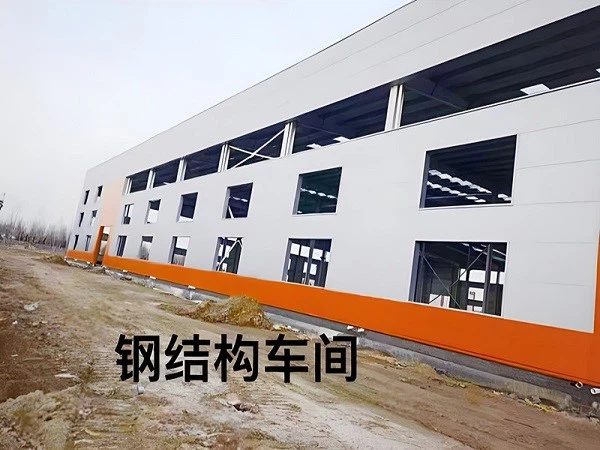
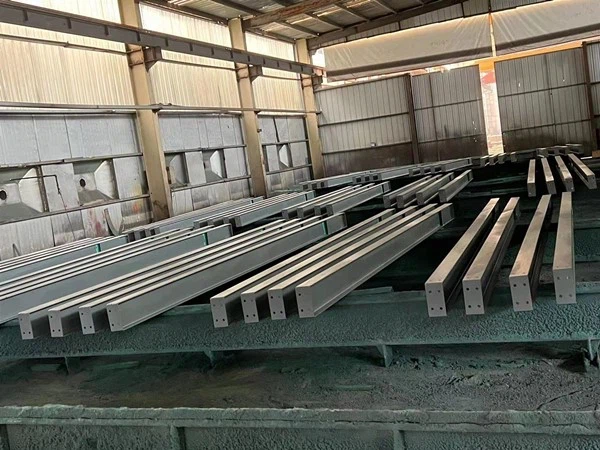
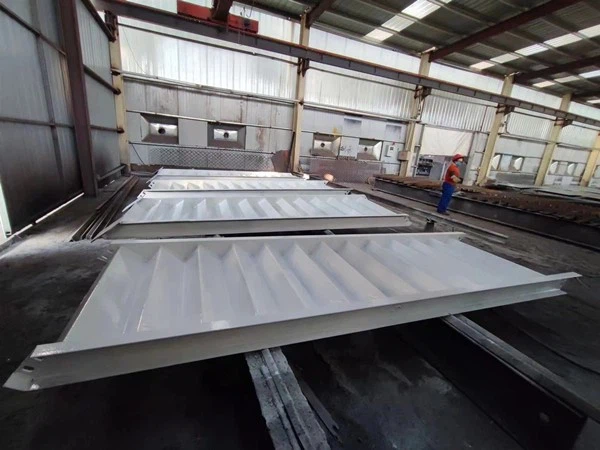
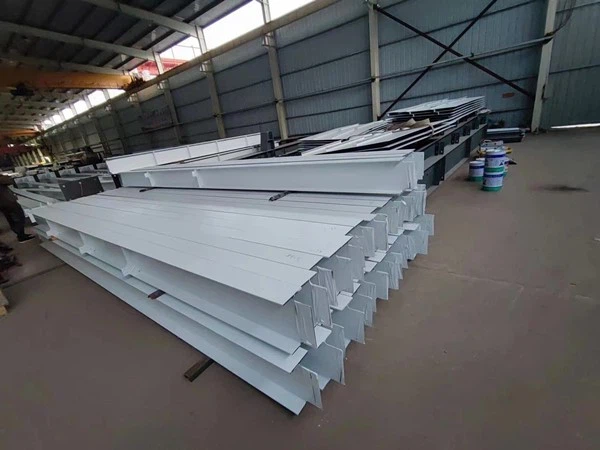
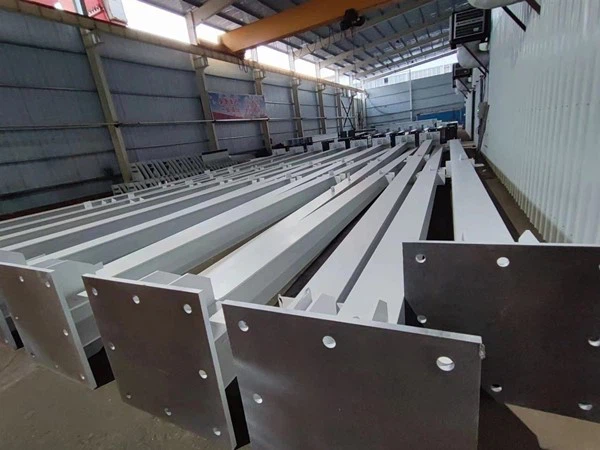
Shandong Dongsheng Heavy Industry Technology Co. , Ltd was established in August 2012, covering an area of over 50 acres and having a production workshop of 21000 square meters. It is a steel structure manufacturer specializing in the design, production, and installation of steel structures. The company has always adhered to the principle of honesty and customer first, laying a good foundation for the company's future development.





Certifications
