



Steel Truss
A steel roof truss is a type of open web girder, consisting of interconnected structural elements arranged in a triangulated system. These elements are typically joined at the nodes through welding. The system is designed to withstand external forces and support reactions at the nodes. Truss members are considered pinned joints and are designed to transfer axial forces only, not bending moments. Steel roof trusses are commonly used to provide strength and support to roofs.


Benefits of Steel Truss
Superior Strength and Durability
Steel trusses are renowned for their exceptional strength and durability. Constructed from high- quality steel, these trusses offer unparalleled load-bearing capabilities, providing structural integrity and stability to buildings. With their robustness, steel trusses can withstand harsh weather conditions, seismic events, and heavy loads, ensuring the safety and longevity of the structure.
Design Flexibility
Architects and designers appreciate the design flexibility offered by steel trusses. These versatile structural components can be customized to fit various architectural styles and design requirements. Steel trusses can be engineered to create intricate roof designs, open and spacious interiors, and even large clear-span spaces without the need for interior support columns. This design freedom allows for creative expression while optimizing the use of space.
Cost-Effectiveness
Steel trusses present a cost-effective solution for construction projects. The manufacturing process of steel trusses is highly efficient, resulting in minimal material wastage. Additionally, the lightweight nature of steel trusses makes transportation and installation easier and faster, reducing labor costs and construction timelines. Furthermore, steel trusses require minimal maintenance, leading to long-term cost savings for building owners.
Speed of Construction
Time is of the essence in the construction industry, and steel trusses offer a significant advantage in this regard. Pre-engineered steel trusses can be manufactured off-site, allowing for faster and more streamlined construction. The precise fabrication and assembly process ensures quick and efficient installation, reducing project timelines and enabling faster occupancy or utilization of the building.
Sustainability
With a growing focus on sustainable construction practices, steel trusses stand out as an environmentally friendly choice. Steel is a highly recyclable material, and using steel trusses reduces the demand for virgin resources. Additionally, steel trusses can be easily disassembled and reused, minimizing waste and promoting a circular economy. By incorporating steel trusses into construction projects, builders and developers contribute to reducing their environmental footprint.
Fire Resistance
Steel trusses offer inherent fire resistance, enhancing the safety of buildings. Steel has a high melting point, making it less susceptible to structural failure during a fire. This feature provides occupants with valuable time to evacuate and helps to minimize property damage. Insurance companies often offer favorable rates for buildings with steel trusses due to their fire-resistant properties.
Why Choose Us
Quality assurance
We have 100% quality guarantee for our customers. We will be responsible for any quality issues.
Good service
We provide one-stop services such as project engineering solutions, R&D design, customized construction, installation and commissioning, and operation management.
Reasonable price
We provide higher quality products or services at the same price. As a result, we have a growing and loyal customer base.
Fast delivery
Strong production capacity, Complete packaging ensures product quality and is shipped to the destination in the first time.
Rich experience
Has a long-standing reputation in the industry, which makes it stand out from its competitors. With over many years of experience, they have developed the skills necessary to meet their clients' needs.
Efficient and convenient
The company has established marketing networks around the world to provide high-quality services to customers in an efficient and convenient manner.
Steel Trusses vs Timber Trusses Why Steel Trusses are a No Brainer
Fewer Trusses = Less Labor
Steel trusses can be spaced up to ten feet apart. Compare that to the standard spacing of 24" for timber trusses. This is why the price point of steel trusses should not scare you. Yes, steel trusses definitely cost more than timber per truss, but you typically need five times as many timber trusses as you do steel trusses to complete a post frame project. Additionally, steel trusses are engineered to seat flush on top of the post column, meaning no notching of the post column is necessary. Steel trusses are stiff and do not flex like timber trusses do which make them much easier to handle and install when dealing with longer length trusses.
Steel Trusses Are More Durable
Wooden trusses simply do not last as long as steel trusses. Because wooden trusses are made from timber they are susceptible to fire, mold, insect infestation, moisture damage, and rot. Wooden trusses are also far more likely to be damaged in severe weather. Timber trusses are manufactured from several pieces of wood that are connected using notched inserts and gusset plates. Steel truss are engineered using robotic welds ensuring a highly durable connection. Steel trusses are also fire resistant and do not need chemical treatments to maintain the frame, are not susceptible to insect infestation, mold, rot, or moisture damage, even if left completely exposed to the elements. I mean come on, it's steel.
Steel Trusses are Reusable and Recyclable
Steel is an environmentally responsible building material because it is highly recyclable. Steel trusses are also easily uninstalled and can be reused on other projects.
Steel Trusses Offer Wider Clear-span Options
There is no doubt that steel trusses give you more design options. As you span greater distances using timber trusses, the truss will begin to flex more and will require a significant amount of bracing. Steel trusses can be engineered to span distances far greater than what is achievable with timber trusses.
The Process of Steel Truss Fabrication
The complicated production process of a steel truss requires special tools, skills, and methods to create particular end products as desired. This process is divided into three main steps: cutting the raw steel, forming the shape, and assembling the parts. Various different cutting tools, including high technology water jets, plasma, and laser cutters. Saws are used for simple straightforward cuts while plasma and laser cutters are used to cut intricate geometries.
Forming process starts right after cutting. Trusses are press baked and rolled to obtain the desired shape. These two methods enable fabricators to produce an extended range of sizes and geometries. Different types of trusses are fabricated according to customer demands. For instance, metal studs in C-shape are used in roof trusses.
In the last step of the production process, fabricated parts are assembled according to technical blueprints. A producer must be very well acquainted with the type of trusses, exposure of wind, span, purpose of use, desired slope to execute assembly operations accurately. These operations include welding and connecting the parts together to be ready to fulfill its duty as a support member. Software programs are utilized by the producer to meet the expectations of the buyer. Optimum properties can be achieved by an experienced producer. The target is to create the truss as lightweight as possible without giving up on the integrity and stability of the structure. At the same time, they must comply with the standards.
Application Areas of Steel Truss Structures
Industrial buildings
For industrial buildings with large spans, using steel structure trusses can reduce the steel used, meet the requirements of large spans without central columns, and provide a broad space for production and warehousing logistics.
Commercial buildings
Large spaces, broad views, and flexible layouts are usually required in commercial buildings, such as shopping malls, office buildings, hotels, etc. The lightweight design of steel structure trusses allows the building to be more flexible in space planning. At the same time, the truss structure can support large spans, providing a more expansive space for commercial buildings.
Sports venues
Sports venues are another area suitable for steel structure trusses. Large sports venues require adequate space coverage to ensure safety and visibility from spectator seats. Steel structure trusses can easily support large roofs, providing a vast space for sports venues. At the same time, their strength and stability also meet the requirements of large-span design, providing an ideal venue for hosting various sports events.
Bridge engineering
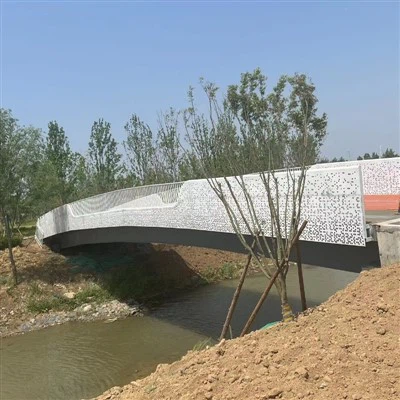
In bridge engineering, steel structure trusses also demonstrate excellent performance. Steel structure truss bridges have the advantages of being lightweight, having high stiffness, and having a short construction period. They are especially suitable for crossing large rivers or deep valleys. Their lightweight design reduces the bridge's weight while ensuring sufficient strength, providing reliable structural support for the bridge project.
The form of the trusses should be based on the requirements of the building, taking into account factors such as roof materials, skylights, purlins, support arrangements, whether the roof trusses and columns are hinged or rigidly connected, and finally, determine the overall dimensions and web rod system.
The web member system of the truss. The structural stress should be reasonable, and the node structure should be simple and unified. The number of web members is small, and the total length is short. It is advisable to make the lengthy web members under tension and the short web members under compression so that the chord members do not produce a local bending moment. The angle between the oblique web rod and the chord rod should be 35 to 55 degrees.
Standard web bar systems include herringbone, ascending, and subdivided systems, which reduce the internodal length of the upper chord and increase the height. The herringbone type is the most widely used in roof trusses. The subdivided truss system saves more steel than the structural solution of dense main web rods.
The setting of truss joints should be based on architectural or technological requirements, equipment hanging, etc., so the load acts on the nodes as much as possible.
For trusses with larger spans, arching can solve the problem when the deformation deflection exceeds the limit.
If the span is too large, it must be divided into sections for transportation. A truss with a span less than or equal to 12 m does not need to be segmented; when the span is greater than 12 m but less than 20 m, it can be divided into two segments; when it is greater than or equal to 20 m, it can be divided into multiple segments, but the length of each segment should not exceed 12m; splicing joints, It should be located at 1/3 of the span of the corridor.
Steel Truss Types
Warren truss
One of the few truss types whose name is the same as its shape, such as the letter "w". It is a special type of truss with many diagonal members that are alternately in compression and tension, with the ability to add more members to provide greater stability to the truss itself. For very large buildings from 20 to 100 meters wide.
Pratt truss
Another truss type that represents the letters of the alphabet (due to its shape, this truss is also often called the "n truss"). It can be used in the same building types as the warren truss - large walls with tens of meters between opposing walls structure – but the location of the internal members of the trusses is different (similar to the never-ending letter n, or a mirrored version of that letter).
Fink truss
The finke truss is a type of truss used primarily for regular houses rather than larger structures. It requires relatively little steel to produce and creates a short span high pitched roof that contains many shorter elements as well as some functional the longer element serves as the baseline. There are many different variations of fink trusses depending on the placement of shorter elements.
North light truss
A type of truss commonly seen in industrial buildings when one side of the truss is much longer than the other and only the shorter (and steeper) portion of the truss has any form of glazing. This can significantly reduce solar gain, providing more natural light during the day (however, the exact potential gains and losses should always be calculated individually for each building). Northern light trusses can reduce carbon emissions but in some cases may increase the need for space heating.
Sawtooth truss
A variation of the northlight truss used in multi-bay buildings that allows the same truss shape to be repeated more frequently. The purpose of this truss is similar to its original form - to reduce solar gain and provide more natural light.

Steel trusses work by distributing weight and load evenly across the structure. They are made up of a series of triangular shapes, with each corner connected by a joint. The load-bearing members, known as chords, run along the top and bottom of the truss. These chords are joined by smaller members called webs, which transfer the load from the top chord to the bottom chord. This combination of triangles and joints creates a robust and stable structure that can support significant weight and span large distances. Steel trusses are used in many building constructions, such as bridges, towers, industrial buildings, and residential buildings. They are also used for roof framing, floors, and other structural components.
Why Steel Is a Good Option for Trusses
1
In every construction project, contractors find themselves in a dilemma: Which option makes more sense for trusses: steel or wood? Timber trusses are often used in residential buildings, while trusses in modern buildings are mostly made of steel. Wood has a big weakness in that the moisture content decreases over time, reducing its toughness. Delays during the project put the timber trusses at risk of rot, deformation and insect infestation.
2
Unlike wood, steel is not an organic material. Such problems are not possible with steel trusses. Advanced technology presents builders with low-density, high-strength modern steel trusses. Computer-aided engineering methods enable manufacturers to manufacture regular and complex-shaped trusses quickly, with high precision and quality. Steel trusses are impervious to harsh weather and harsh conditions. It does not deform itself or lose its properties. In terms of cost-cutting measures, pre-assembled steel trusses help save time and money.
3
By meeting high standards, steel has become the material of choice for engineers due to its various advantages. The beauty of architecture can be seen in commercial and residential buildings, sports stadiums, shopping malls, museums, and more due to the possibilities offered by the use of steel trusses. Long service life, flexible design, advanced structure, and ability to withstand heavy loads make it one of the indispensable components of the structure. They are available in a variety of types, geometries, and sizes depending on the application.
Our Factory
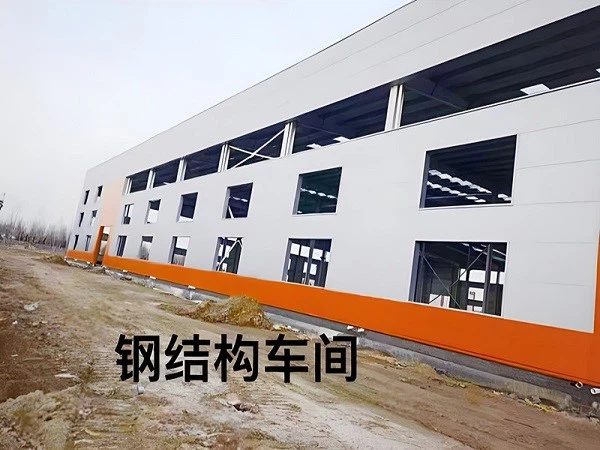
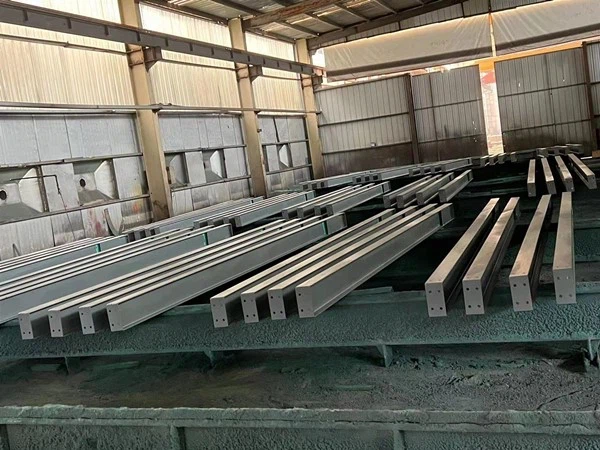
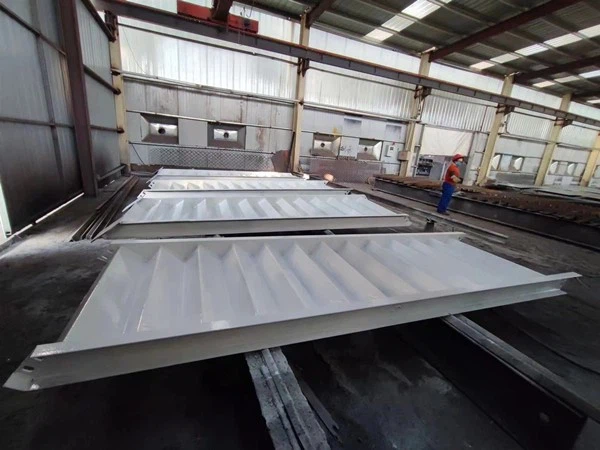
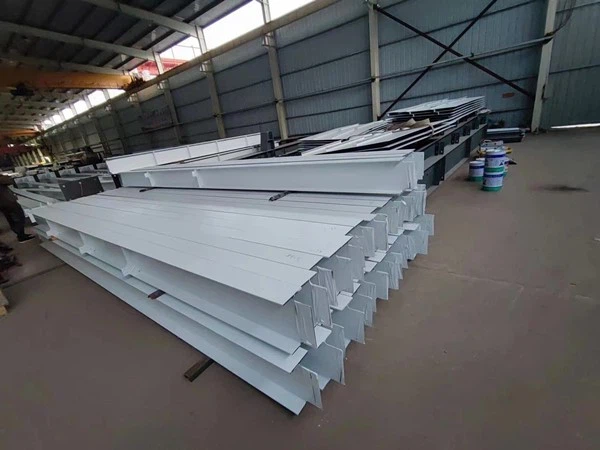
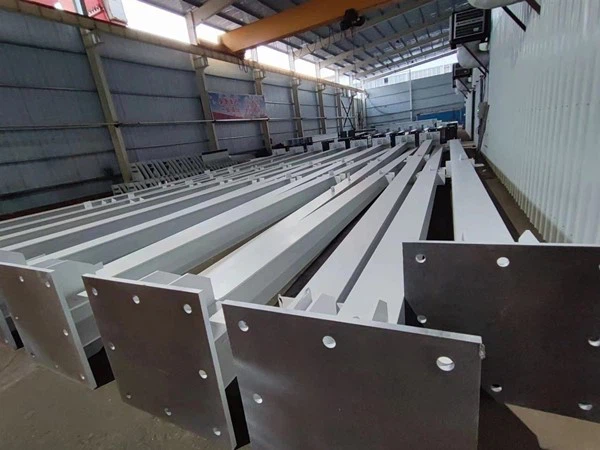
Shandong Dongsheng Heavy Industry Technology Co. , Ltd was established in August 2012, covering an area of over 50 acres and having a production workshop of 21000 square meters. It is a steel structure manufacturer specializing in the design, production, and installation of steel structures. The company has always adhered to the principle of honesty and customer first, laying a good foundation for the company's future development.





Certifications

FAQ
Hot Tags: steel truss, China steel truss manufacturers, suppliers, factory, Container House, Tube Truss, , , Steel Box Beam, Construction Site Accommodation
Previous
No InformationNext
Tube TrussYou Might Also Like




Send Inquiry