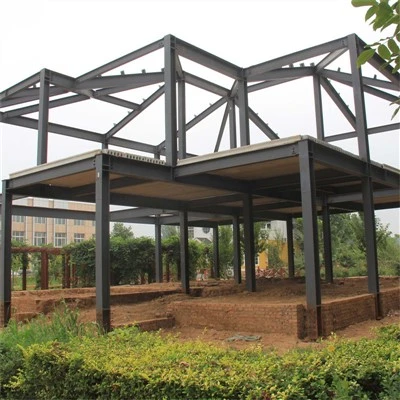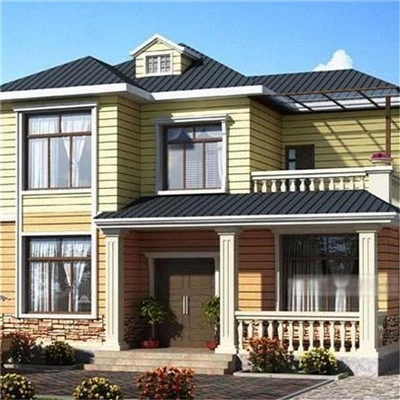
Applicable Scenarios Of Steel Structure Houses: Meeting Diverse Construction Needs Globally
In recent years, steel structure houses have emerged as a game-changer in the global construction sector, driven by their exceptional durability, design flexibility, and eco-friendly attributes. Unlike traditional concrete or masonry buildings, which often face limitations in speed, adaptability, and resilience, steel-framed structures offer unique solutions that cater to a wide array of real-world needs-from bustling urban residential projects to remote industrial sites and disaster response efforts.
A primary and rapidly growing applicable scenario is urban and suburban residential development, especially in cities grappling with housing shortages and tight construction timelines. In Shenzhen, China's tech hub, the "Future City" residential complex-comprising 12 steel-structure apartment buildings-was completed in just 8 months, 30% faster than comparable concrete projects. This speed has made steel structures a go-to choice for addressing the city's annual demand for 150,000 new housing units. Beyond speed, their seismic resistance is a critical advantage in earthquake-prone regions: Tokyo's 2023 "Safe Home" initiative mandated steel frames for 60% of new residential buildings, as tests show they can withstand magnitude 7.0 earthquakes with minimal damage, far outperforming traditional brick homes. In Austin, Texas, where population growth has surged 21% in the past decade, steel-framed townhouses have become popular for their ability to maximize living space-developers report a 15% increase in usable floor area compared to concrete designs, a key selling point for young families.
Another major application lies in industrial and commercial facilities, where large spans, heavy-load capacity, and quick assembly are non-negotiable. Germany's Ruhr Industrial Zone, a historic manufacturing hub, has retrofitted 80% of its old factories with steel structures in recent years. The Thyssenkrupp steel plant in Duisburg, for example, uses a 120-meter-span steel roof to cover its heavy machinery assembly line-an impossible feat with concrete, which would require dozens of supporting columns. Similarly, Amazon's logistics centers across Europe, including the 1.2-million-square-foot facility in Dortmund, rely on steel frames to enable flexible layout changes. Workers can reconfigure storage zones in hours rather than days, helping the company handle a 40% spike in holiday shipping volumes. The cost benefits are also notable: industrial developers in the U.S. report that steel structures reduce foundation costs by 25% due to their lightweight nature, a significant saving for large-scale projects.
Steel structure houses also play a vital role in temporary and emergency housing, a need amplified by the rise in climate-related disasters. After Hurricane Ian devastated Florida in 2022, the Federal Emergency Management Agency (FEMA) deployed 3,000 steel-framed temporary homes to Lee County. These structures, which weigh just 2,000 pounds and can be assembled by a team of 4 in 6 hours, provided shelter to 12,000 displaced residents. Unlike wooden temporary homes, they resisted mold and rot in Florida's humid climate, remaining habitable for over a year. In remote regions, such as rural parts of Australia's Outback and Canada's Yukon Territory, steel houses are the preferred choice for permanent housing too. The "Outback Shelter" project in Western Australia uses corrosion-resistant steel to withstand 120km/h winds and 50cm of annual rainfall, ensuring longevity in harsh conditions where maintenance is hard to access.
Additionally, eco-tourism and sustainable resorts are increasingly embracing steel structures to align with environmental goals. In Bali, Indonesia's Ubud region, the "Green Villa" resort uses 100% recyclable steel frames and locally sourced bamboo interiors, cutting carbon emissions by 40% compared to concrete villas. Guests praise the open, light-filled designs-made possible by steel's strength-to-weight ratio-which offer unobstructed views of rice terraces. In New Zealand's Queenstown, a popular ski destination, steel-framed chalets have become a staple: their ability to support heavy snow loads (up to 30kg per square meter) and integrate large windows for mountain views makes them both practical and aesthetically appealing. Resort developers note that steel structures also reduce construction waste by 35%, a key factor in meeting New Zealand's strict eco-tourism certification standards.
In conclusion, steel structure houses are far more than a niche construction option-they are a versatile solution that adapts to the diverse, evolving needs of communities worldwide. Whether solving urban housing shortages, powering industrial growth, responding to disasters, or building sustainable tourism sites, their unique blend of speed, resilience, and eco-friendliness positions them as a cornerstone of the future construction industry. As governments and developers increasingly prioritize sustainability and efficiency, the application of steel structure houses is set to expand even further, touching more lives and landscapes in the years ahead.