





Lamp Post
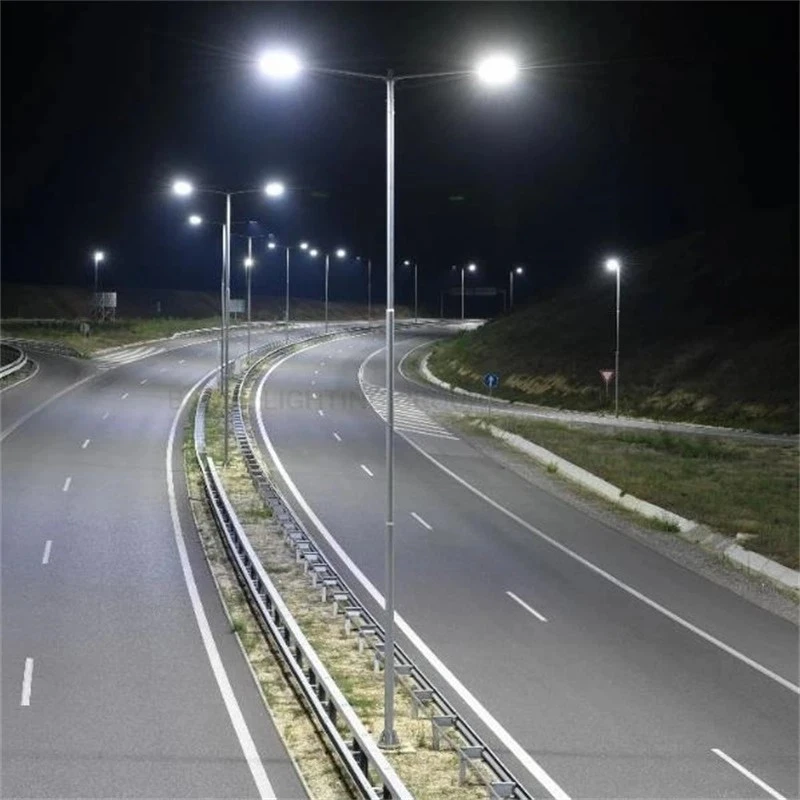
Lamp post is such a very common item using for lighting and decoration. It not only enhances the architectural appeal to your spaces but also illuminates to maintain safety and security for the driver, rider, and pedestrian.

Benefits of Lamp Post
Beautify Landscape
Maintaining curb appeal is just as important as the interior or exterior of a property. Besides light distribution, outdoor lamp posts can also ornate the landscape architecture and boost curb appeal. They are a great choice for business districts, suburbs, and even tourist locations. With so many options on the market, you can easily find the right design and size of lamp posts for your property. Furthermore, resin light pole bases can be molded to match the aesthetics of any location and are highly resistant to corrosion.
Increased Security
While you may feel safe during the day, it's hard not to feel scared while walking down a dimly lit road or strolling around your house. By installing light poles, not only will you minimize the risk of crime, but you will also feel safe while out at night. Many studies have found that towns that increased the number of light poles in their areas saw significant decreases in crime.
Provide Lighting
The core duty of lamp posts is to illuminate the area whether it is a street, park, outdoor garden, or a bridge. They illuminate the landscape and allow anyone passing by to find their way in the darkness. While lamp post applications vary from place to place, their main purpose remains the same. Lamp posts found in gardens do not require much illumination but those found in construction sites and along the road are much brighter and consistent.
Reduce Traffic Accidents
No matter how bright your headlights are, driving on dimly lit roads is always a challenge. In this case, your vision is limited, making it difficult to spot obstacles and potholes. Lamp posts are one of the best solutions for reducing traffic accidents. They can broaden the driver's field of vision with consistent lighting - especially in blind spots.
Attach Items
Cafes, stores, and curbside restaurants can do a lot more with lamp posts besides illuminating their property. For instance, you can hang baskets, planters, and even put up festive lighting to spruce up the location. However, you might want to ensure first that anything you put on a lamp post should not pose a risk to public safety.
Advertise
Lamp post advertising is a seasoned trend that many businesses including curbside stores and restaurants rely on for marketing their brand. The main reason behind their soaring popularity in commercial zones is their size, which makes it easy to hang banners or advertisements. Since they are usually placed along the road, it is easier to catch the eye of drivers and pedestrians.
Why Choose Us
Quality assurance
We have 100% quality guarantee for our customers. We will be responsible for any quality issues.
Good service
We provide one-stop services such as project engineering solutions, R&D design, customized construction, installation and commissioning, and operation management.
Reasonable price
We provide higher quality products or services at the same price. As a result, we have a growing and loyal customer base.
Fast delivery
Strong production capacity, Complete packaging ensures product quality and is shipped to the destination in the first time.
Rich experience
Has a long-standing reputation in the industry, which makes it stand out from its competitors. With over many years of experience, they have developed the skills necessary to meet their clients' needs.
Efficient and convenient
The company has established marketing networks around the world to provide high-quality services to customers in an efficient and convenient manner.
What Finish or Color Should I Get on My Post Lamp
Post lamps come in lots of varying colors, which you can use to match the exterior accessories of your home for your own unique aesthetic. The overwhelming majority of lampposts are finished with a weather-resistant iron or metallic coating. This means that they're going to be - in most cases - brown, black, or gray. However, you might be interested in knowing that that doesn't have to be the case! If you're going for a natural, classic look on the exterior of your home, getting a true neutral such as brown or black is likely a good idea. However, if you like modern pops of color, deciding to purchase a lamp with a bright blue or red finish will ensure that you'll have a focal point in your yard! One color choice that you should likely avoid is anything light in color - white, beige, yellow, or cream. As chic as an all-white post lamp might seem, they're likely to get discolored and dingy-looking because of natural elements. It's in your best interest to choose either a dark or bright color for lasting good looks.
How to Build a Light Post
Prepare the Foundation Pad
Prepare a foundation pad by removing the sod and soil creating a hole 24 in. square (600 mm) by 4 in. (100 mm) deep. Poor soil conditions under the foundation pad may require additional attention. Learn more about adding strength to posts/pillars.
Run the Conduit
Run the conduit from the electrical source to the center of the foundation pad. (Figure 1). We recommend placing the wire in plastic conduit for protection. Always follow local electrical codes for proper conduit installation depth and wiring requirements.
Install Wall Rock
Lay 4 in. (100 mm) of base rock in the foundation pad and thoroughly compact with a hand tamper, leveling in all directions.
Build the Base Course
To begin the post/pillar base course, place 4 Corner Blocks with the long sides facing out. Align the blocks with a square, and level with a dead blow hammer.
Build the Second Course
Place the second course of blocks by alternating the pattern to offset the vertical seams. Continue stacking courses, alternating the pattern until the desired height is achieved. Add the final length of conduit and run the wiring to the top of the post/pillar, making sure that the wiring extends up past the post/pillar and post cap.
Cap the Post
Finish the post/pillar with two Post Caps. Each cap will need a notch cut out of the center for the wiring. Using a skill saw with a masonry blade, in the center of both Post Caps make a 2 in. (50 mm) wide notch, by making several 1 in. (25 mm) deep cuts to score the area. Then with a hammer and chisel, knock out the small pieces. Once the notch is completed, place both Post Caps on the post/pillar so that the notches line up.
Secure the Caps
Apply a bead of masonry adhesive near the outside edge of each corner block. Place the caps on top of the post/pillar, making sure that your conduit extends up through the hole in the Post Caps.
Add the Light Fixture
To mount the light base, position it in the center of the post. Mark the position of the screw holes. Drill holes for the masonry anchors using a power drill with a masonry bit. Insert the anchors into the holes, add the light base and fasten to the Post Cap with screws. Once the light base is attached to the post/pillar, complete the wiring for your light using the factory instructions, then attach the light to the light base.
Lamp posts are made of various materials depending on the design and purpose. One type of lamp post is made of an aluminum alloy, which includes components such as iron, copper, manganese, magnesium, chromium, zinc, nickel, nanometer titania, nano silicon carbide, and graphene. These components are added to modify the aluminum and improve its mechanical performance, heat stability, and abrasion resistance . Another lamp post structure includes a base, a lamp post body, and various telescopic rods and ladders. This structure is convenient for maintenance or replacement . Additionally, a lamp post structure can be made of a composite material, with an outer wall layer composed of continuous fiber reinforced resin and an inner core layer composed of resin concrete. The post arm is also made of continuous fiber reinforced resin. This composite material lamp post has the advantages of a beautiful appearance, long service life, and low manufacturing cost .

Amazing Uses of Lamp Post Lighting
Illumination
The most basic use of outdoor lamps is this, to provide illumination. Installing lamps outside allows pedestrians, cyclists, and drivers to find their way in the dark. The lamp posts can be installed at different heights for different needs and types of lamps. For instance, pedestrian paths could have lamps at a lower height and closer and main roads at increased height further away from each other for a better spread of light.
Enhance Security
No one is comfortable being in the dark. It can be a scary experience and increases the chances of crime. Good lighting directly relates to your mood and makes you feel safe. By setting lampposts, you prevent crime and improve the area's security. Statistically
Reduce Accidents
Places that do not have enough street lighting often have relatively high accident rates. Even with the light from your vehicle, the visibility is limited. It is difficult to identify obstacles and, thus, vehicle crashes. With lamp posts, the illumination provided increases the visibility and thus reduces accidents. The lighting is also consistent; it broadens the driver's sight and lowers the blind spots making the driver feel at ease on the road.
Beautification
Of course, installing decorative post top lights can add to the beauty of the landscape. They provide pleasant lighting for walks in the evening. Aesthetic lamp posts are often chosen to be placed in business establishments, parks, residential colonies, or government buildings. They are available in so many styles that making a decision could be very confusing.
Place to Attach Other Items
Lamp posts are often used to hang or attach other items. These include plant baskets, banners, flags, signboards, advertisements, watches, etc. Some people also use lamp posts to lock their bikes and dogs when there is no designated place for them so that they are not stolen. Legally, you may need to get an attachment license from concerned authorities, or you may face penalties.
Integration of Smart Features
A smart lamp post is the future of public illumination. With the technological enhancements taking place in the world, the lamp posts can be an excellent place to incorporate smart features. Smart Lamp posts can be used as charging points, monitoring sensors, Wi-fi stations, pollution sensors, and so much more.
Lamppost Dimensions
Lighting poles with a height of 6 m are installed on city streets. These are the most common models of poles since 6 m is the minimum required so that medium-duty freight vehicles can pass along the road. The maximum height of the poles is 12–13.5 m; in some cases, poles with a height of 22 m are made in an individual order.
The total length of the column is slightly more than the declared height since the structure has an underground part, which is buried in the ground and fixed by concreting. If, after installing the fixtures, it is found that the illumination is too high, they simply replace it with less powerful devices.
The diameter of a lamppost can be constant or variable along the length of the stem. The latter applies to round-conical supports, which gradually taper towards the upper end. This design of the column allows you to save steel and increase resistance to stress.
Public Street lighting typically consists of lampposts, which can vary in height from 8 feet to 50 feet. Gardens are often illuminated by lamp posts between 5 and 9 feet in height, and these structures serve both functional and aesthetic purposes. In order to effectively aid both foot and car traffic, street light poles need to be of adequate height. The proper amount of light can only be provided if the light pole is tall enough. While just one set of light poles is needed to illuminate a narrow roadway, bigger streets need two sets of poles. When properly installed, a lighting fixture should cover an area roughly proportional to the pole's height.

Important Features of Lamp Posts
High
The height of the lamppost will determine the coverage of the light. Consider the height of your home and other structures in your yard to determine the appropriate height.
Style
Lamp posts come in many styles, from traditional to contemporary. Choose a style that complements your home's architecture and your personal taste.
Material
Lamp posts can be made from a variety of materials, including aluminum, steel, and cast iron. Consider the durability and maintenance requirements of each material.
Install
Decide whether you need a direct buried light pole or a surface mounted light pole. Direct buried light poles are buried directly in the ground, while surface mounted light poles are fixed to a base or platform. Directly buried light poles tend to stand relatively straight and are less affected by wind and other factors.
Extra features
If having another power source in your yard is important to you, consider using a light pole with a built-in electrical outlet. Since you're going to be powering the binding post anyway, adding a convenience outlet is a simple step. Some lampposts also come with photo eyes. This gives the light a dusk-to-dawn characteristic, turning it on at night and off during the day.
Our Factory
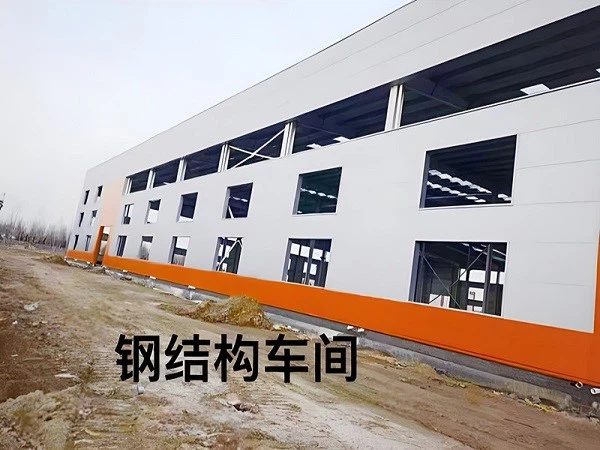
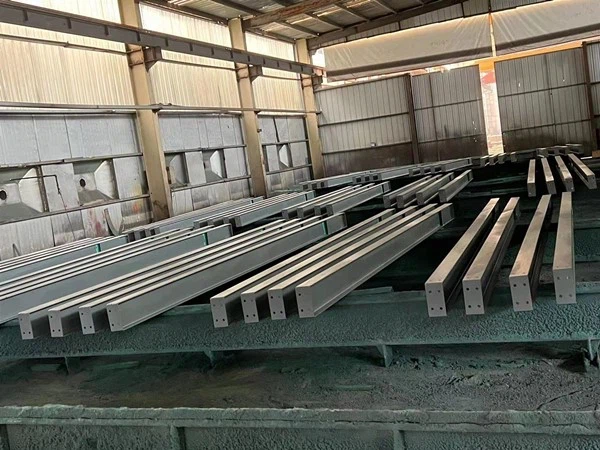
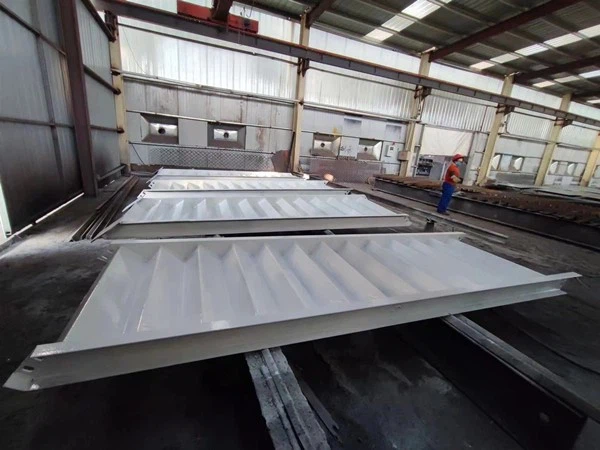
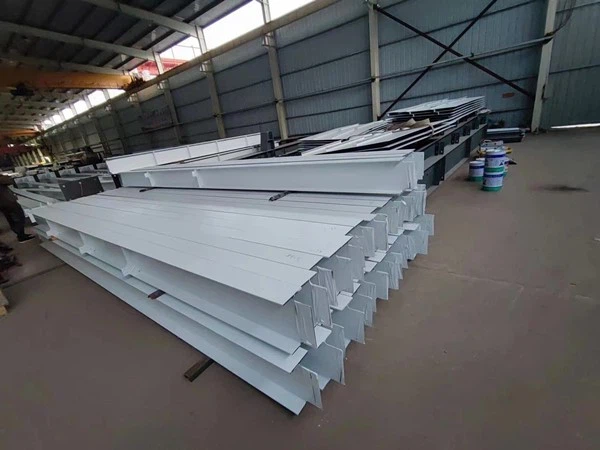
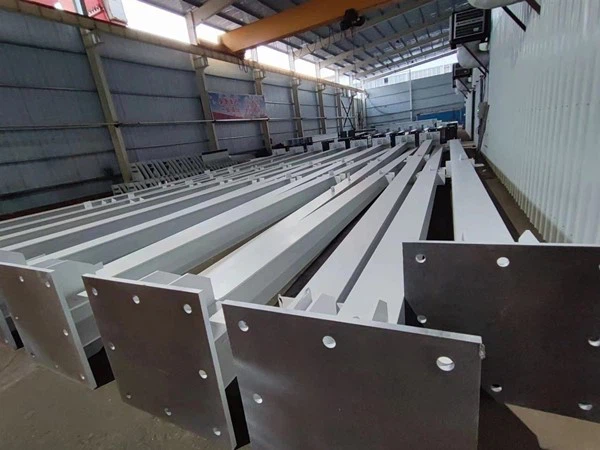
Shandong Dongsheng Heavy Industry Technology Co. , Ltd was established in August 2012, covering an area of over 50 acres and having a production workshop of 21000 square meters. It is a steel structure manufacturer specializing in the design, production, and installation of steel structures. The company has always adhered to the principle of honesty and customer first, laying a good foundation for the company's future development.





Certifications

FAQ
Hot Tags: lamp post, China lamp post manufacturers, suppliers, factory, Single storey Steel Structure Workshop, Camera Pole, , Lamp Post
Previous
Modern Outdoor Lamp PostNext
Lamp PostYou Might Also Like


Send Inquiry